Dietary Principles
Practical, evidence-based guidance you can apply today — no extremes, no magic solutions, no commercial agenda.
Principles Over Rules
The most effective nutritional changes are not the most dramatic ones — they are the ones that stick. The following principles are drawn from nutritional science and designed to be realistic, sustainable, and genuinely useful. We have deliberately avoided fad diets, extreme restrictions, and anything that requires you to radically change how you live. Work through these at your own pace.

Build Every Meal Around Vegetables
Vegetables should form the largest portion of most meals — not a garnish on the side, but the foundation. Aim for at least half your plate to be non-starchy vegetables at lunch and dinner. This single change, if implemented consistently, has more impact than almost any other dietary adjustment.
Variety is as important as quantity. Different vegetables provide different micronutrients, fibre types, and phytochemicals. Eating a wide range of colours across the week ensures broad nutrient coverage. Dark leafy greens, cruciferous vegetables, alliums (onion, garlic, leeks), and root vegetables each contribute differently.
- Before adding anything else to your plate, fill half of it with vegetables first.
- Keep cut raw vegetables accessible in the fridge for quick additions to meals.
- Add a handful of leafy greens to soups, stews, and sauces — they reduce significantly in volume when cooked.
- Aim to eat at least five different vegetable types across the week.
- Frozen vegetables are as nutritious as fresh — stock them for convenience.
Make Legumes a Weekly Staple
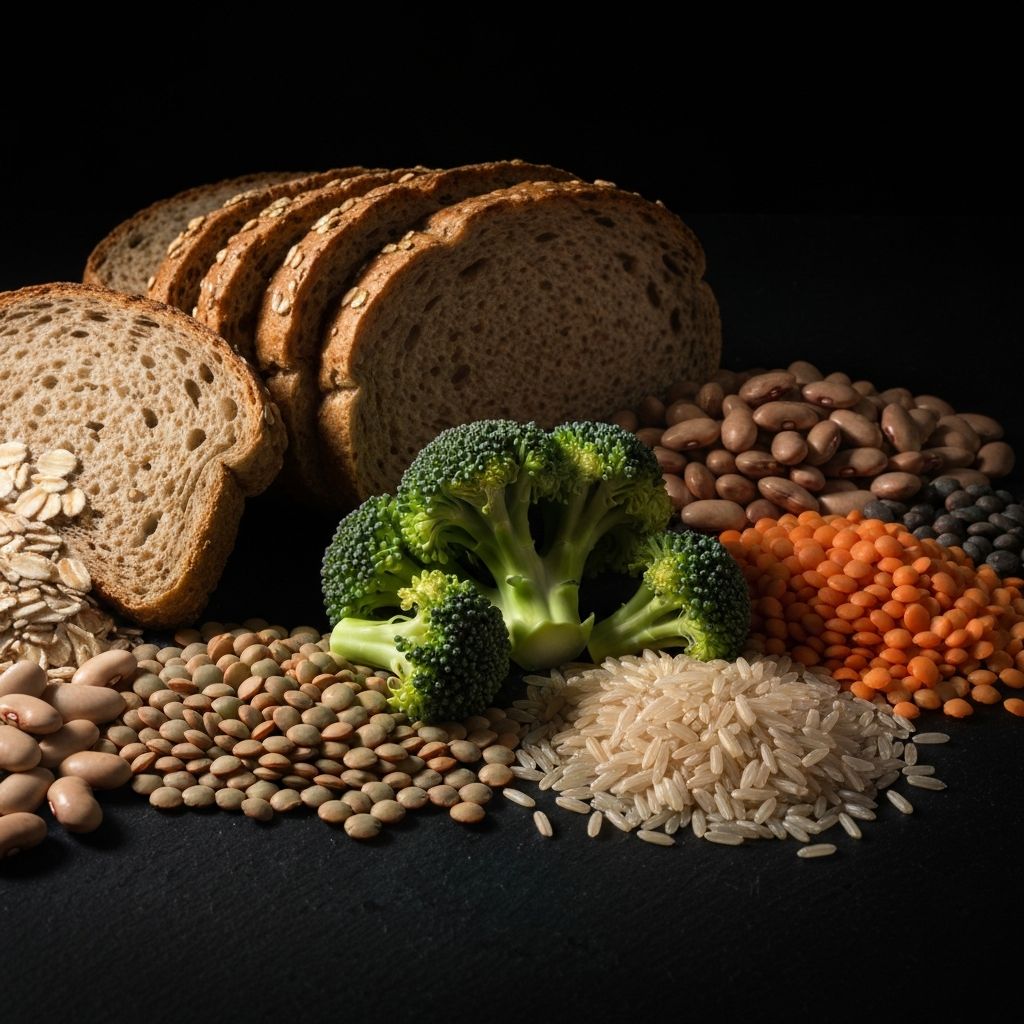
Beans, lentils, chickpeas, and peas are among the most nutritionally complete and underused foods available. They provide protein, fibre, complex carbohydrates, iron, folate, and prebiotic compounds that support gut microbiome health — all at a very low cost.
Research consistently shows that higher legume consumption is associated with lower rates of cardiovascular disease, type 2 diabetes, and colorectal cancer. Moving from near-zero to three or four servings per week represents a significant, achievable improvement.
- Add a tin of lentils or chickpeas to soups, stews, and salads.
- Replace half the meat in dishes like bolognese or chilli with cooked lentils.
- Use hummus (made from chickpeas) as a dip or spread instead of processed alternatives.
- If legumes cause digestive discomfort initially, introduce them gradually to allow gut adaptation.
- Canned legumes are convenient and nutritionally equivalent to home-cooked — rinse them to reduce sodium.
Replace Refined Grains with Whole Grains
The difference between a whole grain and a refined grain is not trivial. Refining removes the bran and germ — along with most of the fibre, B vitamins, minerals, and phytochemicals. What remains is primarily starch that is rapidly digested and absorbed, causing steeper blood glucose spikes with fewer nutritional benefits.
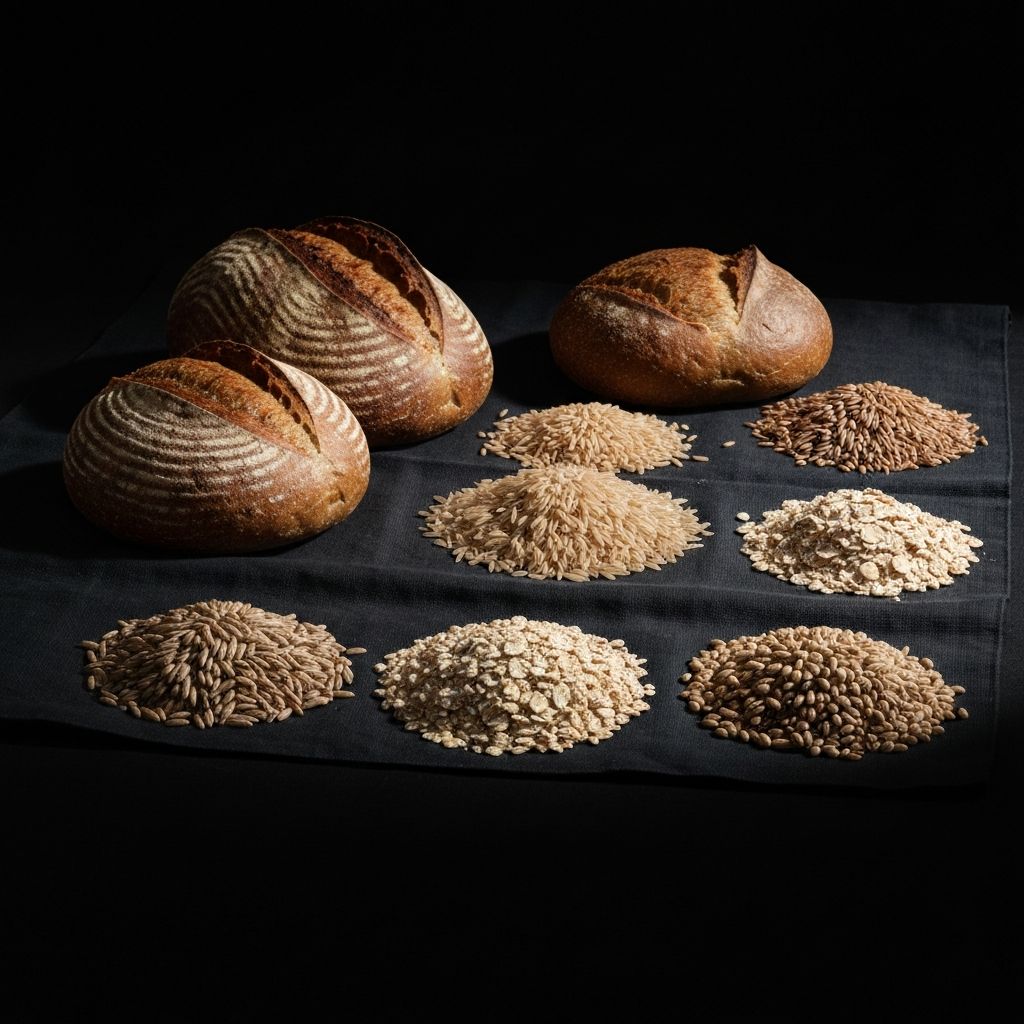
Whole grains — where the entire kernel is intact or minimally processed — digest more slowly, provide sustained energy, and supply a wide range of nutrients. Oats, brown rice, whole wheat bread and pasta, barley, and rye are all excellent options.
- Switch from white bread to genuine whole grain bread (check the ingredients — "whole wheat" should be first).
- Replace white rice with brown rice, buckwheat, or quinoa in your usual meals.
- Start breakfast with rolled oats instead of processed cereals or white toast.
- Whole grain pasta cooks and tastes similarly to white pasta in most dishes.
- Barley and farro make excellent additions to soups and salads.

Make Water Your Default Drink
Sugary drinks — including fruit juice, soft drinks, sports drinks, and many flavoured beverages — are one of the clearest contributors to poor metabolic health in modern diets. They deliver substantial calories without triggering satiety, meaning they add to rather than replace caloric intake. Regular consumption is strongly associated with weight gain and increased risk of type 2 diabetes.
Water, plain tea, and unsweetened coffee are the most appropriate regular beverages. This does not require eliminating all other drinks forever — but making water the automatic choice is a meaningful shift.
- Keep a filled water bottle or glass visibly on your desk and dining table.
- Drink a glass of water with every meal as a consistent habit.
- If plain water feels unappealing, infuse it with cucumber, lemon, mint, or ginger.
- Replace one sugary drink per day with water or unsweetened tea to start.
- Be aware that fruit juice, despite being "natural", is nutritionally closer to a soft drink than to whole fruit.
Reduce Ultra-Processed Food Intake
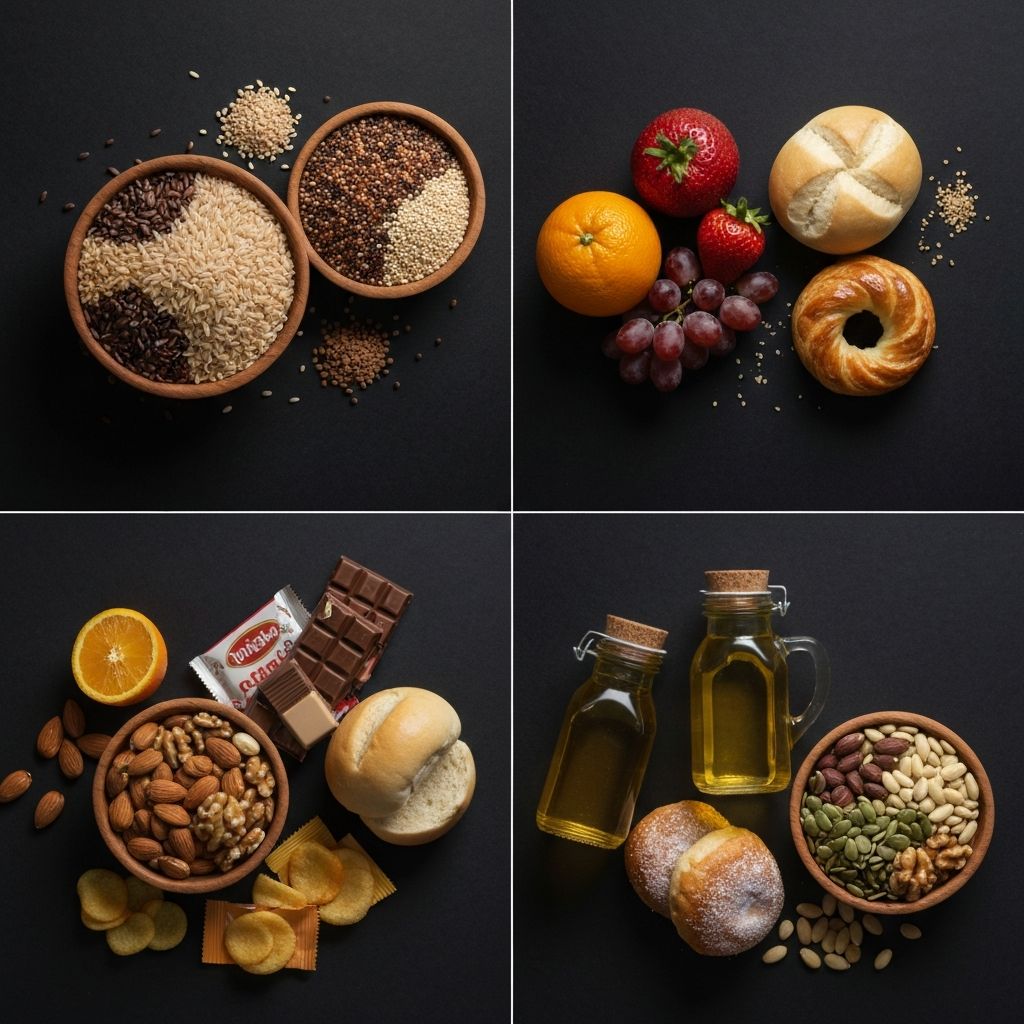
Ultra-processed foods are not simply unhealthy ingredients — they are industrial formulations engineered to override satiety signals and encourage overconsumption. The research linking high ultra-processed food consumption to obesity, cardiovascular disease, type 2 diabetes, and depression is now substantial and consistent across many populations.
The goal is to shift the balance so that whole and minimally processed foods make up the majority of what you eat. Start by identifying the ultra-processed foods you eat most frequently and finding whole-food alternatives for those specific items.
- A practical test: if a product contains more than five ingredients, or ingredients you would not find in a kitchen, it is likely ultra-processed.
- Replace packaged snacks with nuts, seeds, fruit, or yoghurt.
- Cook simple meals at home more often — even basic meals from whole ingredients outperform most packaged alternatives.
- Read ingredient lists, not just front-of-pack health claims.
- Prepare meals in batches when time is limited to reduce reliance on convenience products.

Prioritise Dietary Variety, Not Just Quantity
Nutritional science often focuses on individual nutrients, but the body requires hundreds of compounds working together. No supplement or fortified food can fully replicate the complexity of a varied whole food diet. Eating a narrow range of foods — even healthy ones — is a common pattern that limits micronutrient diversity.
A practical target is to eat 30 or more different plant foods per week. This sounds ambitious but is achievable: different vegetables, fruits, grains, legumes, nuts, seeds, and herbs all count. Research suggests that people who eat a wider variety of plant foods have more diverse and healthier gut microbiomes and broader micronutrient coverage.
- Track how many different plant foods you eat in a week — most people are surprised how few it actually is.
- Try one vegetable, grain, or legume you have not eaten before each week.
- Use herbs and spices generously — they count as plant foods and provide concentrated phytochemicals.
- Rotate your grain choices: oats one day, brown rice the next, barley the next.
- Mixed bags of salad leaves, mixed beans, and mixed nuts are simple ways to increase variety with minimal effort.
Further Practical Principles
Beyond the foundations above, the following principles address habits, mindset, and the long-term perspective required for lasting change.
-
Develop a Consistent Meal Rhythm
Irregular eating patterns — skipping meals, eating very late, large gaps between eating followed by overconsuming — are associated with poorer metabolic outcomes. Having a reasonably consistent routine reduces the likelihood of reactive eating driven by excessive hunger. Eating most of your food earlier in the day, rather than concentrating intake in the evening, is also supported by research on circadian metabolic responses.
-
Eat Mindfully and Without Distraction
Eating while distracted — watching screens, working, scrolling — interferes with the body's satiety signalling. Studies show that people consistently eat more when distracted and are less satisfied by the same meal compared to when they eat attentively. Mindful eating means slowing down, eating without a screen when possible, chewing properly, and actually noticing the food in front of you. This is a practical intervention with real effects on total intake and relationship with food.
-
Focus on Dietary Patterns, Not Individual Foods
One of the most important shifts in nutritional understanding over the past two decades is the move from thinking about single nutrients or foods to thinking about overall dietary patterns. No single food is a "superfood" that will transform your health, and no single food consumed occasionally will harm you either. What matters is the consistent pattern over weeks, months, and years. This means that gradual, sustainable improvements compound over time in a way that radical short-term diets simply cannot.
-
Approach Change Progressively, Not Perfectly
Avoid the "all or nothing" mindset. A 70% improvement maintained consistently is far more valuable than a 100% "perfect" diet held for two weeks. When you eat something outside your usual healthy pattern, return to it at the next meal without guilt or overcorrection. Build habits one at a time. Social eating, cultural food traditions, and enjoyment are legitimate and important parts of a healthy relationship with food — not obstacles to it.
These Are Principles, Not Personal Advice
The information on this page is presented as general nutritional education — a description of principles supported by nutritional science — and is not a substitute for personalised dietary advice from a qualified healthcare professional or registered dietitian. Individual needs vary significantly based on health status, medical history, medications, and personal circumstances.
If you have specific health concerns, are managing a medical condition, or are making significant dietary changes, please consult a qualified practitioner.
Explore More
Frequently Asked Questions
Detailed answers to the most common questions about nutrients, dietary patterns, supplements, and how to get started.
Read the FAQ →About Wimbor
Learn about our mission as an independent informational resource, our editorial principles, and a brief history of nutritional understanding.
About this site →